

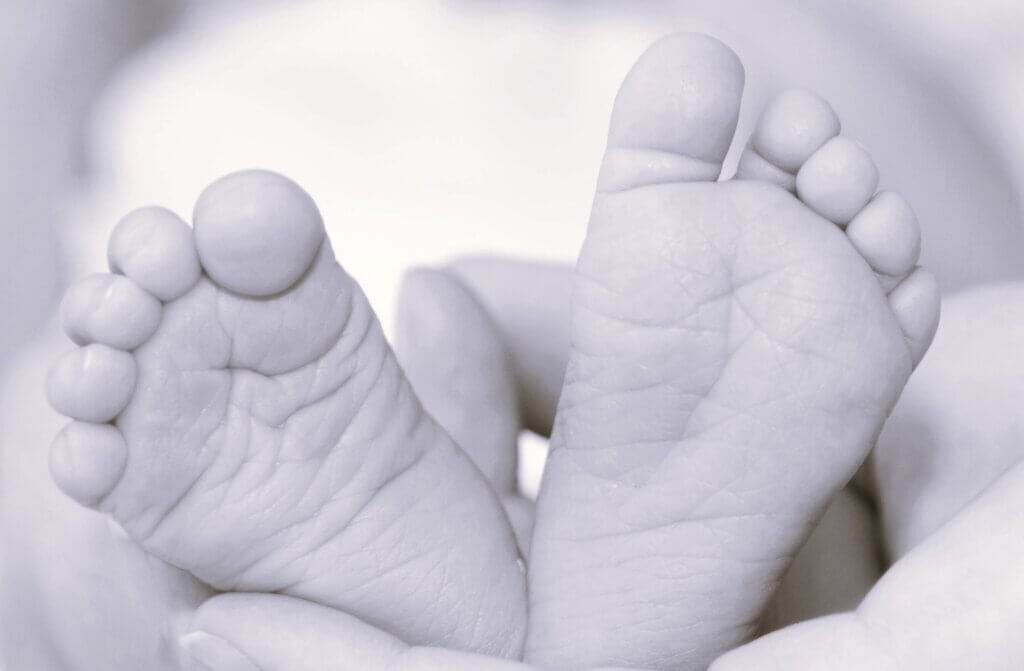
I deliberately chose what I thought was the perfect baby gift.
I love gifting books, and I was especially excited to find “Ten Little Fingers and Ten Little Toes.” The book portrays babies from different cultures who all share one thing: they each have ten fingers and ten toes.
Except that’s not always true.
Shortly after the baby was born, and my gift had already been mailed, I found out that she entered the world with six toes on each foot.
I felt incredibly embarrassed. I had specifically searched for books that felt inclusive. And in doing so, I hadn’t considered one of my own assumptions—that all babies have ten fingers and ten toes.
I considered my options: I could send a replacement book. I could send a note of apology. Or, I could simply move on and assume it didn’t bother the parents.
Then I thought about the most common concern voiced in my workshops around building inclusive workplaces:
“I’m so afraid that I’ll say the wrong thing that I avoid engaging at all.”
I reminded myself of my typical response: “As humans, we may inadvertently say or do something that doesn’t land well. What matters at that point is we do next.”
I didn’t know how the parents would react, or what might help make things right.
What I did know is that I needed to have the conversation, learn what they needed from me, and continue to examine my own assumptions.
This event reminded me that we may miss the mark at times when we least expect. Avoiding the conversation isn’t the answer. Instead, we build inclusion when we stay engaged, welcome feedback, and actively listen to each other’s stories.